Listeners:
Top listeners:
-
 play_arrow
Neel House: The Woman in the Photograph Carrie Genzel
-
 play_arrow
Bob Mavity: 32 Years with the Ghosts of the Grand Carrie Genzel
-
 play_arrow
Jeromy Jones: Inside The Haunted Jefferson Palace Hotel Carrie Genzel
-
 play_arrow
Katelan Foisy: The Myths and Misconceptions of Tarot Carrie Genzel
-
 play_arrow
The Ones Who Hide Part Two: The Ones She Feared Carrie Genzel
-
 play_arrow
The Ones Who Hide Part One: The Girl in the Blue Dress Carrie Genzel
-
 play_arrow
Echoes That Follow Us Home Carrie Genzel

Earning Trust Across Time
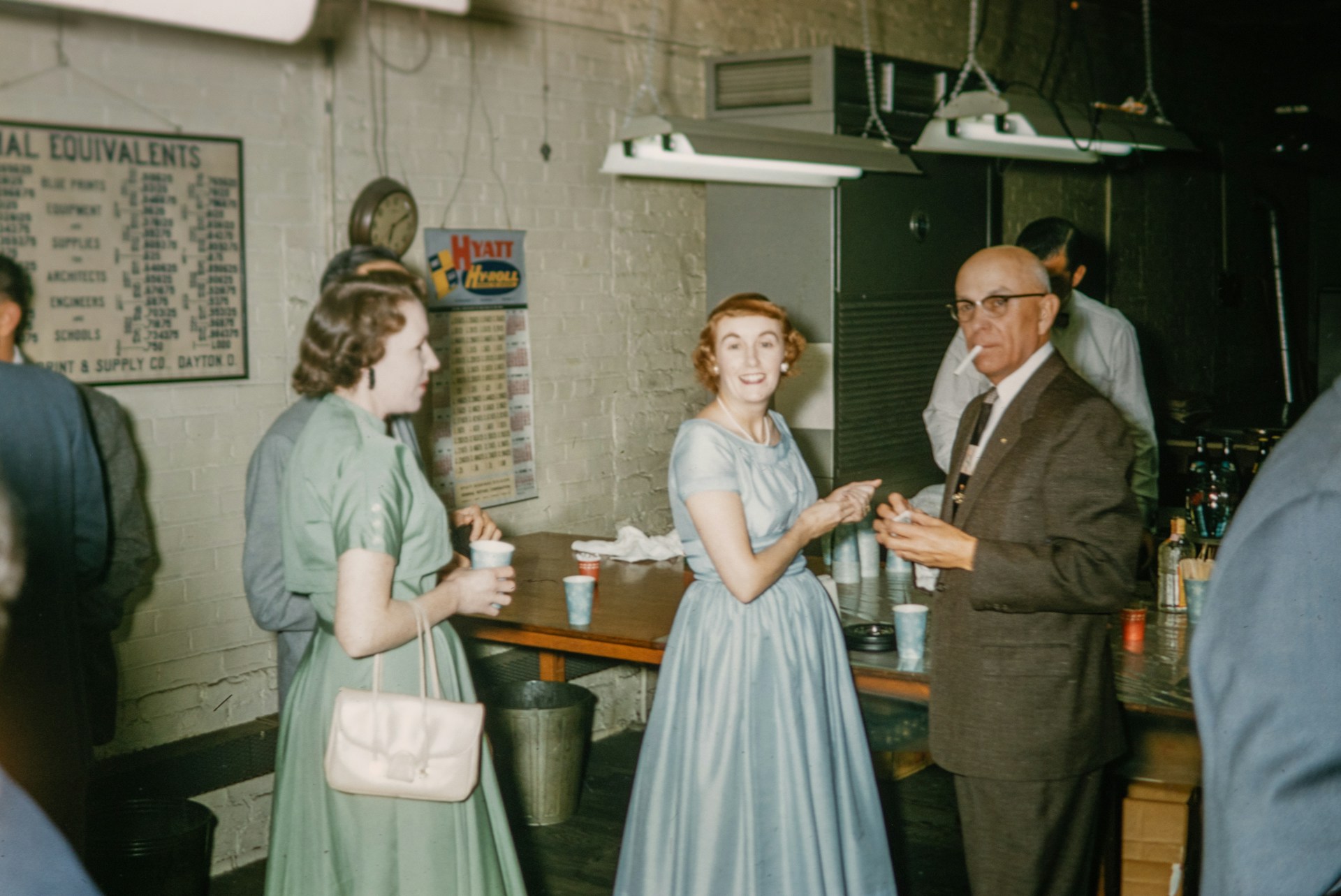
Historic homes in Macon, Georgia, often hold more than history. As someone who investigates paranormal activity and hauntings, I have come to realize that communication is not just about asking questions. It is about earning trust, especially when the people we are trying to reach may not understand who we are or why we are there.
Prefer to listen? This Field Notes entry is available as an audio recording below.
This week, I found myself reflecting on something I have learned through investigations and through working closely with Morrighan Lynne and Jonathan Morgan. When we walk into a location, we are not just entering a physical space. We are stepping into someone else’s world. And in many cases, that world has not caught up to ours.
One of the most important things to understand is that some spirits may not realize they are no longer living. Time does not always move the same way for them. So when investigators walk in asking direct or intrusive questions, it can create confusion, fear, or even resistance.
But beyond that, there is something even more layered.
Many of the spirits we encounter lived in very different time periods, with different social structures, expectations, and boundaries. The way we speak, the way we move through spaces, even the fact that we are there at all, can feel intrusive.
We may be standing in what was once a private bedroom.
A study.
A space where something deeply personal happened.
And now, we are strangers walking through it, asking questions.
In Macon, many of the locations we investigate are not heavily explored. In fact, there have been times when we are the first team to step into these homes with the intention of communicating. That means the spirits we encounter are not familiar with equipment, with investigators, or with the idea that someone is trying to reach them.
So trust is not automatic.
It is earned.
We take time to explain what we are doing. We approach with respect. We try to meet them where they are, not where we are.
And I think about this a lot, especially as someone who did not grow up in the South.
The cultural differences alone are significant. When you layer in the expectations placed on women in the 1700s, 1800s, or even the early 1900s, it adds another level of awareness. How would my presence be received? How would my voice be heard? What would it mean for me to walk into certain spaces in their world?
We have felt that pushback at times.
Not necessarily anger, but hesitation.
Guarded energy.
A sense of who you are and why you are here?
And honestly, that makes sense.
Even today, there are things we do not openly talk about. Mental health, personal struggles, and family dynamics. Now imagine living in a time when those things were never spoken about at all.
Which brings me to a recent experience that has stayed with me.
We are preparing to return to a location where I had a moment with a spirit that did not go as I expected. I began speaking about mental health, about vulnerability, about the relief that can come from sharing your story.
And she did not like that.
I saw something rush toward me, like a dark movement crossing my vision. At the same time, Morrighan sensed her coming forward, yelling for me to stop. Stop talking. Do not say that.
It was not just resistance.
It felt like fear.
Or exposure.
And in that moment, I realized something.
What feels natural and healing to us may feel threatening to someone who never had the language or permission to express those things.
Afterward, I apologized.
Because in her world, I had crossed a line.
Now we are going back.
And I find myself approaching it differently.
Not just as an investigator.
But as a guest.
I will be bringing a trigger object with me this time. A vintage etiquette book by Emily Post. Not just as a tool, but as a bridge. Something familiar to her time. Something that may feel safe. Recognizable.
A way of saying, I see your world too.
Because maybe that is the key.
Not forcing communication.
Not demanding answers.
But creating a space where trust can exist.
Where curiosity can replace fear.
Where connection can happen on their terms.
And if we can do that, if we can meet them where they are instead of expecting them to meet us where we are, then maybe we are not just investigating.
Maybe we are actually connecting.
Across time.