Listeners:
Top listeners:
-
 play_arrow
Neel House: The Woman in the Photograph Carrie Genzel
-
 play_arrow
Bob Mavity: 32 Years with the Ghosts of the Grand Carrie Genzel
-
 play_arrow
Jeromy Jones: Inside The Haunted Jefferson Palace Hotel Carrie Genzel
-
 play_arrow
Katelan Foisy: The Myths and Misconceptions of Tarot Carrie Genzel
-
 play_arrow
The Ones Who Hide Part Two: The Ones She Feared Carrie Genzel
-
 play_arrow
The Ones Who Hide Part One: The Girl in the Blue Dress Carrie Genzel
-
 play_arrow
Echoes That Follow Us Home Carrie Genzel

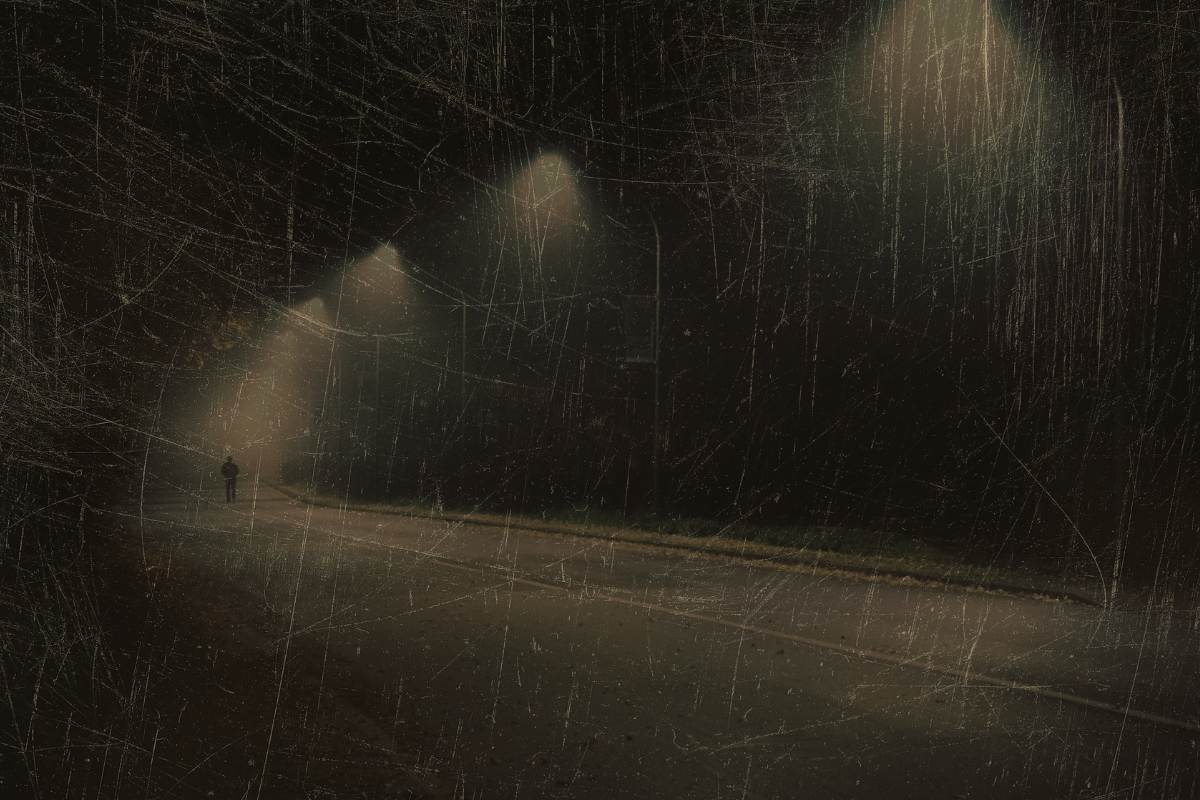
When Darkness Leaves a Mark
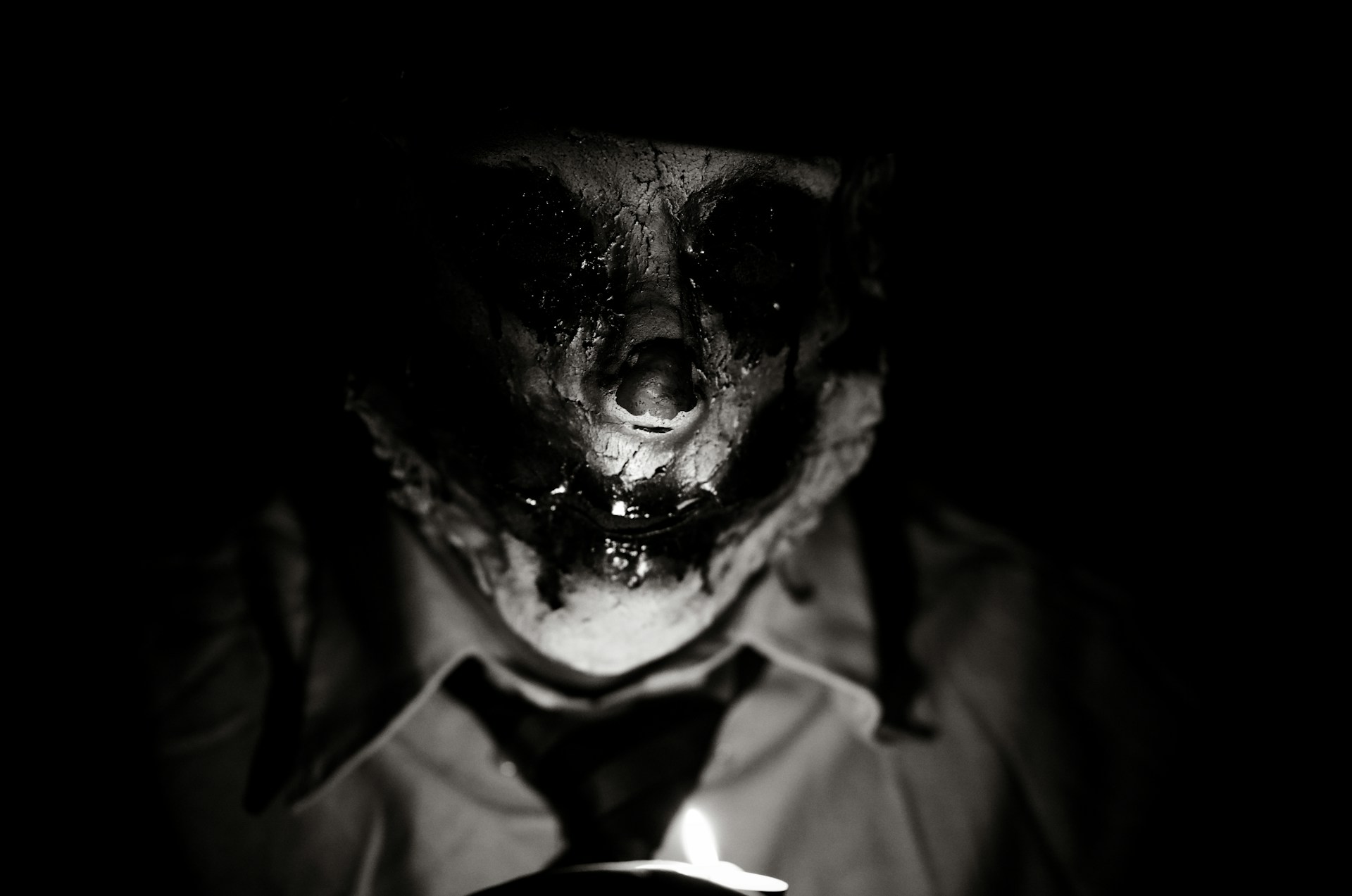
There are some rooms people don’t like being in.
They may not know why.
Nothing has happened to them there.
They may not know the history of the building or what once took place inside it.
But they walk through the doorway and something changes.
They feel uncomfortable.
They want to leave.
Sometimes they won’t enter at all.
I’ve always been interested in what a location can hold, but a recent investigation made me think about that in a way I hadn’t before.
We spend a lot of time talking about people carrying trauma.
What if places can carry it too?
Not simply because someone died there.
Not because a spirit remains.
But because of what the living repeatedly brought into that space.
Fear.
Pain.
Anger.
Cruelty.
Despair.
Whatever name we give that energy, I’ve started wondering whether enough of it, concentrated in one place for long enough, can actually damage the energetic fabric of a building.
And if it can, what happens to the space afterward?
Prefer to listen? This Field Notes entry is available as an audio recording below.
-
 play_arrow
When Darkness Leaves a Mark Carrie Genzel
More Than What Happened There
When researching a location, we naturally look at its history.
Who lived there?
What was the building used for?
Did someone die there?
Was there a tragedy?
But I’m beginning to think there is another question worth asking.
What was repeatedly brought into that space?
One terrible event is one thing.
Years of fear, suffering, violence, or other destructive energy moving through the same rooms may be something else entirely.
The people eventually leave.
The business closes.
The building changes hands.
Someone renovates.
The walls get painted.
The rooms are given new purposes.
From the outside, whatever happened there is over.
But what if the space itself hasn’t recovered?
That possibility has stayed with me.
Because during this particular investigation, it didn’t feel as though we were simply dealing with someone who remained in the building.
It felt as though something had happened to the building itself.
When a Space Is Wounded
I don’t mean physical damage.
I mean something we can’t see.
The best way I can describe it is a wound.
When a person experiences trauma, the event ends, but its effects can remain.
It can change the way someone responds to the world around them.
It can leave them vulnerable.
It can take time and care to heal.
What if a location can experience something similar?
If enough destructive energy is brought into a space, perhaps it can leave a kind of tear behind.
A weakness.
A place where the boundary between one kind of energy and another becomes easier to cross.
And once that happens, perhaps the original source of the damage no longer needs to be there.
The door has already been opened.
That idea changes the way I think about some reportedly haunted locations.
Because whatever people are experiencing today may not be directly connected to what originally happened there.
It may be what came afterward.
What Darkness Attracts
I’m careful with the word dark.
It’s easy to use it as shorthand for anything we don’t understand, and I don’t believe unfamiliar automatically means dangerous.
But I also don’t believe everything we encounter is benign.
There are energies and entities Morrighan has identified during our investigations that she does not consider human spirits.
And in a space that has been damaged by years of destructive energy, I wonder whether that damage can make it easier for something darker to enter.
Then something else can happen.
Lost or fractured spirits may find their way there too.
One presence attracts another.
The energy of the space changes further.
And eventually, what began there may bear very little resemblance to what remains.
That is where investigating becomes much more complicated.
Because removing one spirit may not address the problem.
Understanding the building’s history may not explain everything happening there now.
The question is no longer simply:
Who is here?
It becomes:
What happened to this place?
Prefer to listen? This Field Notes entry is available as an audio recording below.
-
play_arrow
When Darkness Leaves a Mark Carrie Genzel
The Damage We Leave Behind
There is something unsettling to me about the idea that the living may be capable of doing far more damage to a place than we can see.
We tend to think of damage physically.
Broken windows.
Rotting floors.
Cracked foundations.
Those things are obvious.
Someone can walk into a building, see what needs repairing, and begin the work.
But if human behavior can affect a space energetically, there may be another kind of damage left behind.
One that survives the people who caused it.
The idea makes me think differently about the responsibility we have for the spaces we inhabit.
Homes.
Businesses.
Theaters.
Hotels.
Places where people gather.
We are constantly bringing something into them.
Most of the time, I hope, it is ordinary life.
Conversation.
Music.
Laughter.
Work.
Love.
But some places have held very different things.
And perhaps buildings remember more of that than we realize.
When the Building Needs Help
We usually enter an investigation thinking about the people involved.
The living who have asked us to come.
The spirits who may be trying to communicate.
Who needs help?
Who needs to be heard?
Who needs to find their way home?
This investigation made me consider another possibility.
Sometimes it may be the place itself.
A building can outlive generations of people.
It can be used and reused, loved and neglected, filled and abandoned.
It can witness things no historical record will ever document.
And if a space can be affected by what happens inside it, perhaps it can also be healed.
Perhaps whatever was opened can be closed.
Perhaps what was damaged can be repaired.
Perhaps a place that has spent years holding something destructive can eventually hold something different.
I find hope in that.
Because if we accept the possibility that human beings can leave something behind in the spaces we inhabit, then we should also consider that what we bring into those spaces now matters.
Intention matters.
Care matters.
What we choose to create there matters.
What Remains in a Room
I don’t know that we will ever fully understand what a building can hold.
But I’m paying more attention to it now.
Not every uncomfortable room contains a spirit.
Not every heavy feeling belongs to someone who died there.
And perhaps not every haunting is really about the dead.
Sometimes the story may belong to the space.
To everything that happened inside it.
To what was repeatedly brought through its doors.
To what was damaged.
And to what was allowed in afterward.
That gives me another question to carry into future investigations.
Not only who might need our help.
But whether the place holding all of them needs it too.
Because maybe healing a haunting isn’t always about helping someone leave.
Sometimes it may be about helping the space they leave behind.
Field Notes
Field Notes are personal reflections from my ongoing investigations, historical research, and conversations across the South. They are not meant to provide definitive answers, only honest observations gathered along the way.
Until next time…
Stay close.