Listeners:
Top listeners:
-
 play_arrow
Neel House: The Woman in the Photograph Carrie Genzel
-
 play_arrow
Bob Mavity: 32 Years with the Ghosts of the Grand Carrie Genzel
-
 play_arrow
Jeromy Jones: Inside The Haunted Jefferson Palace Hotel Carrie Genzel
-
 play_arrow
Katelan Foisy: The Myths and Misconceptions of Tarot Carrie Genzel
-
 play_arrow
The Ones Who Hide Part Two: The Ones She Feared Carrie Genzel
-
 play_arrow
The Ones Who Hide Part One: The Girl in the Blue Dress Carrie Genzel
-
 play_arrow
Echoes That Follow Us Home Carrie Genzel

The Evidence We Didn’t Know We Had
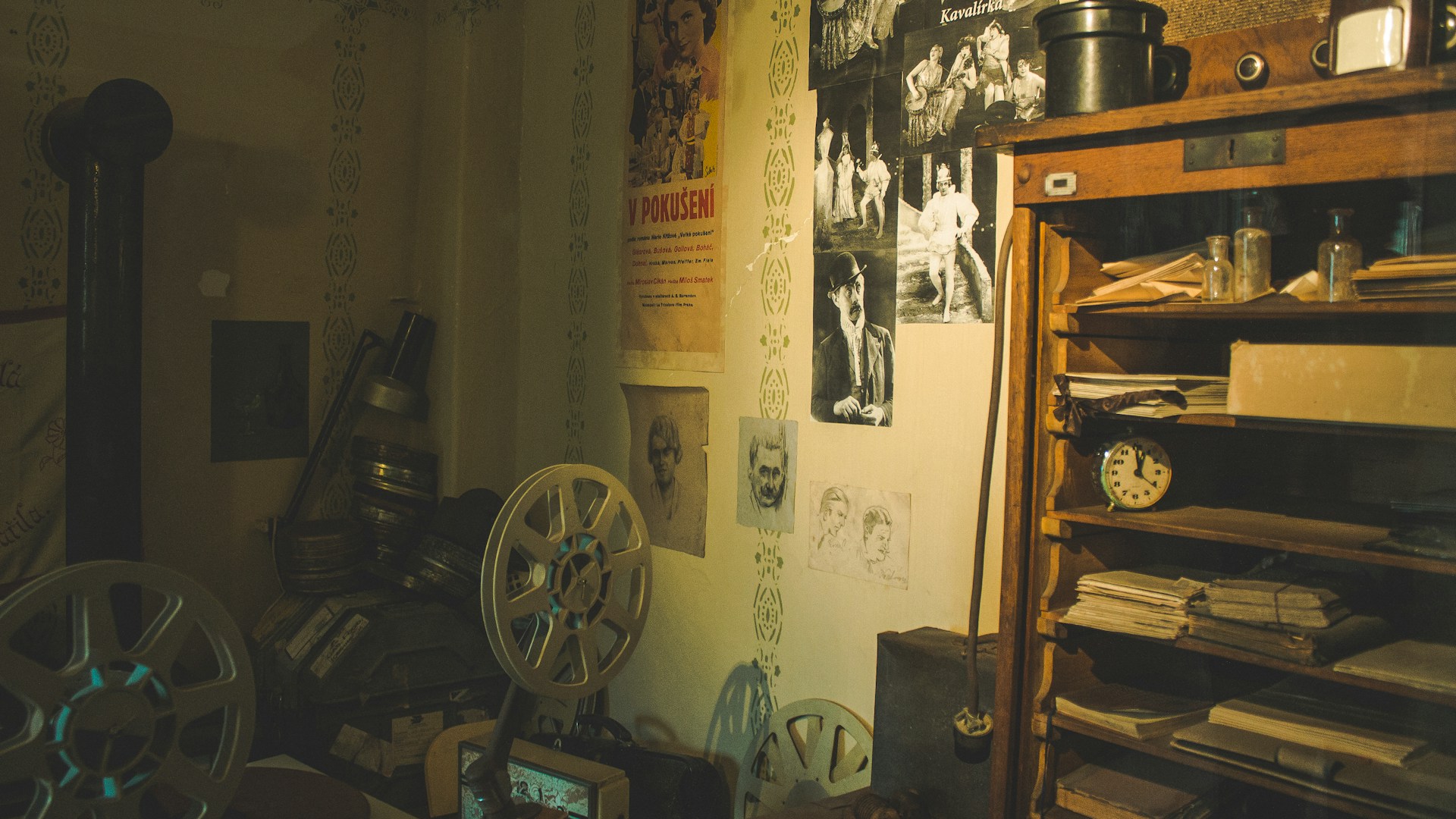
There is a moment during editing that I absolutely love.
I’ll be working through footage from an investigation, listening to conversations I’ve already heard, watching moments I remember experiencing, and suddenly something catches my attention.
A voice.
A sound.
Something happening in the background that none of us noticed at the time.
I stop.
Rewind.
Listen again.
And sometimes, there it is.
Another piece of the story.
What makes these discoveries so exciting isn’t simply that we’ve captured something unexplained. It’s that whatever we’ve found may connect to something that happened days or sometimes weeks earlier, something Morrighan received during the investigation, or a person we were trying to help.
And suddenly, what I thought we brought home from that location becomes something much bigger.
I’ve been experiencing a lot of that lately as I begin editing our investigation of the Neel House.
We had an eventful investigation there.
Equipment responding.
Communication with several spirits.
Moments that left us with plenty to think about.
But as Jonathan works through the evidence collected by our devices, and I begin piecing together the episode, I’m discovering that we may have walked away with far more than we realized.
And I find that incredibly exciting.
Prefer to listen? This Field Notes entry is available as an audio recording below.
-
 play_arrow
The Evidence We Didn’t Know We Had Carrie Genzel
The Story We Thought We Knew
There is a version of every investigation that exists in my memory.
I remember the conversations.
The moments that surprised us.
The responses that seemed particularly significant.
The atmosphere of the location and how things felt as the investigation unfolded.
By the time we pack up, I usually have a sense of what happened and which moments may be important to the story.
But that’s only the version I experienced.
Once the recordings are reviewed, another version begins to emerge.
An EVP may add context to a conversation we were having.
Footsteps captured on a recording may reveal activity in a room where none of us heard anyone moving.
A response from a device may take on an entirely different meaning when we discover what was happening elsewhere in the house at that same moment.
And sometimes, several seemingly unrelated experiences begin pointing toward the same person.
That’s when things get interesting.
Because now we’re not simply adding more evidence to an investigation.
We’re reconsidering what the evidence we already had might mean.
The Breadcrumbs
I’ve started thinking of some of these discoveries as little breadcrumbs.
Pieces of information left behind that we didn’t recognize until we had the opportunity to look more closely.
And what fascinates me is how differently they can affect our understanding of an encounter.
Something that felt playful during an investigation may be supported by a voice or response that reveals a sense of humor.
An interaction that seemed confusing may suddenly make more sense.
Or something that initially appeared harmless may deserve another look when the evidence suggests a very different tone.
That doesn’t mean every unexplained sound is a message, or that every recording gives us another answer.
Sometimes we have to work just as hard to establish what something isn’t.
But when several pieces begin supporting one another, there is a particular kind of excitement that comes with recognizing a connection.
It’s the difference between finding something interesting and beginning to understand why it matters.
When Evidence Becomes Emotional
There is another part of this process that I wasn’t necessarily expecting when we began making Echoes of the South.
Sometimes discovering evidence is emotional.
During an investigation, we may spend time communicating with someone who is frightened, confused, grieving, or struggling to understand their circumstances.
We may learn something about their life.
We may try to help them.
And occasionally, we leave feeling that something meaningful has happened.
Then, days or weeks later, I hear something in the recordings that connects directly to that experience.
A voice we didn’t hear.
A response that seems to support what Morrighan was receiving.
Something that adds another layer to a conversation I remember having with someone in spirit.
Those moments can stop me in my tracks.
Because I’m no longer listening simply as an editor looking for evidence.
I’m remembering the person we were communicating with.
The questions we asked.
What we were trying to understand.
And what we hoped we might have been able to do for them.
Sometimes a few seconds of audio can bring the entire experience rushing back.
And occasionally, it can make that experience even more meaningful.
A Story That Changes Shape
One of the challenges of creating these episodes is that I have to begin organizing the story before I necessarily know everything we’ve captured.
I have my memories of the investigation.
I have the historical research.
I have Morrighan’s experiences and the communication that took place.
And I have Jonathan’s evidence review, which may uncover something none of us knew existed.
Each adds another perspective.
And as those pieces come together, the story can change shape.
A moment I initially thought was relatively minor may become important.
Something I assumed would be central to the episode may turn out to have less significance than I expected.
A connection I hadn’t considered may send me back to the historical records.
That’s one of the reasons I enjoy editing, even when the process is incredibly time-consuming.
I’m not simply arranging the footage into the order things happened.
I’m discovering what we actually have.
And sometimes, the most compelling part of the story is something we didn’t even know to look for.
The Hidden Treasures
I think there’s something rather wonderful about the possibility that we can leave a location carrying answers we haven’t discovered yet.
They’re there.
Somewhere in the recordings.
In the background of a conversation.
Between the questions we asked.
In a moment that seemed ordinary enough at the time.
We may have spent hours trying to understand who was communicating with us, only to discover another clue while sitting at a desk weeks later.
Of course, we don’t always find those missing pieces.
Some questions remain unanswered.
Some evidence raises entirely new questions.
And sometimes what we uncover challenges our first interpretation rather than confirming it.
I welcome that too.
Because the point isn’t to make the evidence fit the story we want to tell.
It’s to allow what we’ve documented to inform the story as honestly as we can.
That’s what makes those unexpected discoveries so valuable.
They remind me that understanding an investigation isn’t always something that happens all at once.
Sometimes it arrives in pieces.
And sometimes those pieces are waiting in places we never thought to look.
What We Bring Home
As I continue working through the Neel House investigation, I’m curious to see what else may emerge.
There are already moments I remember vividly.
People we connected with.
Questions we tried to answer.
Experiences that stayed with me after we left.
But now there are new pieces to consider, and I don’t yet know how they will all fit together.
I love that uncertainty.
I love finding something that sends me back to an earlier conversation with a completely different understanding.
I love when a discovery makes me call Jonathan or Morrighan because I can’t wait to share what I’ve found.
And I especially love those moments when something captured quietly in the background gives us a little more insight into someone we were fortunate enough to meet.
It makes me wonder how often we leave a location believing we’ve collected the story, when what we’ve actually collected are the pieces we still need to assemble.
Some of them are obvious.
Others take patience.
And every once in a while, we uncover a little treasure that changes everything.
That’s why I keep watching.
And listening.
Because you never know what you might discover in something you thought you’d already seen.
Field Notes
Field Notes are personal reflections from my ongoing investigations, historical research, and conversations across the South. They are not meant to provide definitive answers, only honest observations gathered along the way.
Until next time…
Stay close.