Listeners:
Top listeners:
-
 play_arrow
Neel House: The Woman in the Photograph Carrie Genzel
-
 play_arrow
Bob Mavity: 32 Years with the Ghosts of the Grand Carrie Genzel
-
 play_arrow
Jeromy Jones: Inside The Haunted Jefferson Palace Hotel Carrie Genzel
-
 play_arrow
Katelan Foisy: The Myths and Misconceptions of Tarot Carrie Genzel
-
 play_arrow
The Ones Who Hide Part Two: The Ones She Feared Carrie Genzel
-
 play_arrow
The Ones Who Hide Part One: The Girl in the Blue Dress Carrie Genzel
-
 play_arrow
Echoes That Follow Us Home Carrie Genzel

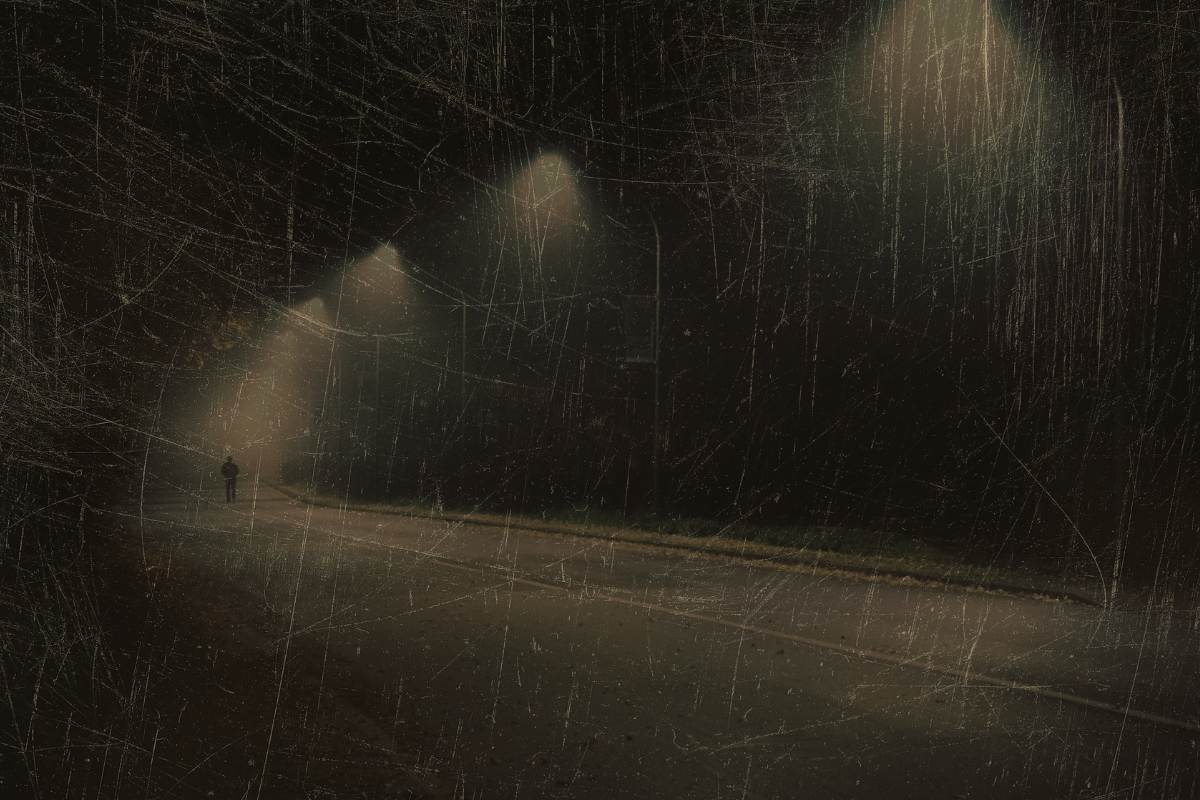
Why Historic Places Feel Lonely
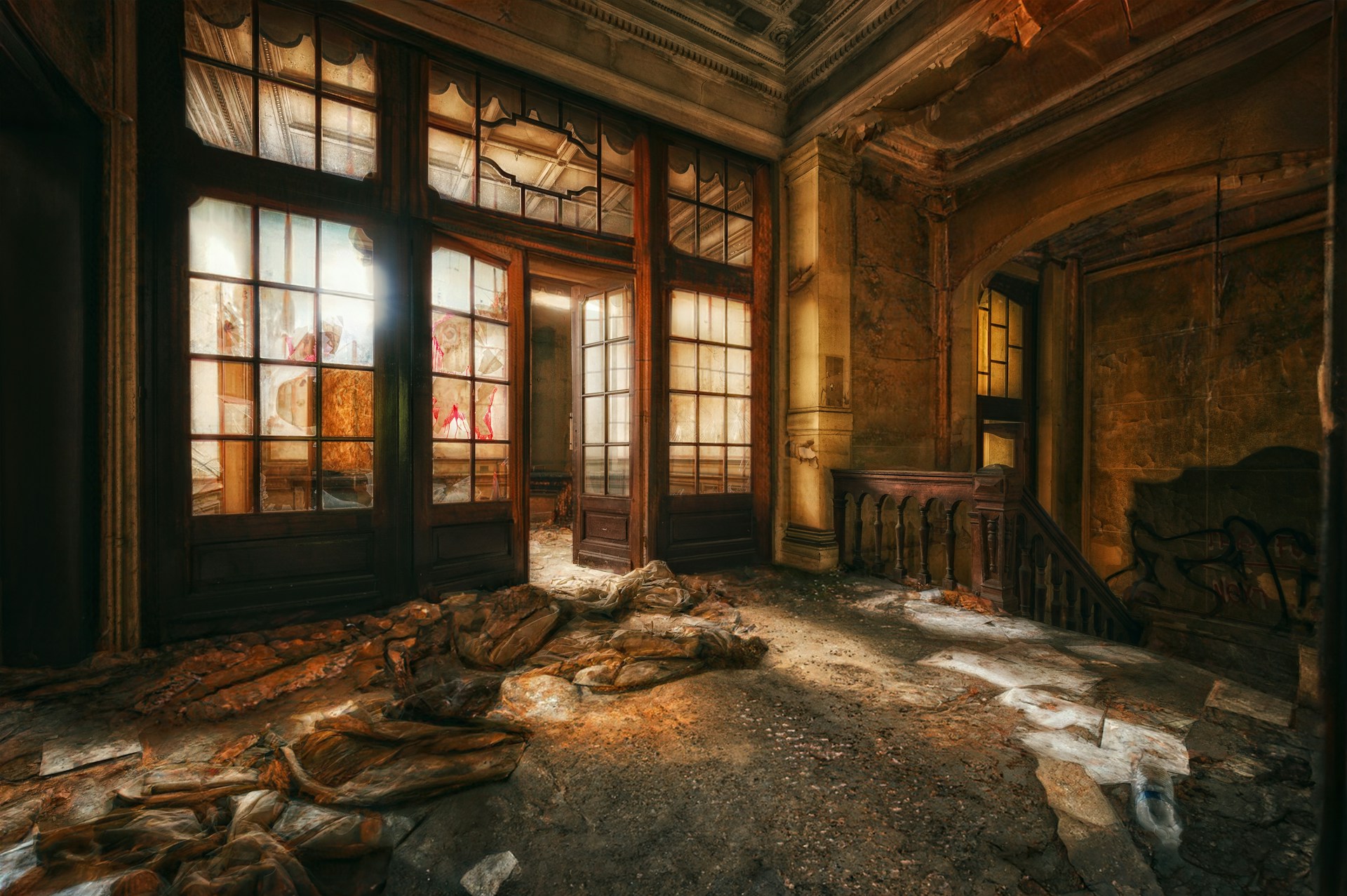
Some historic places do not feel haunted to me.
They feel lonely.
That may sound like an unusual distinction to make as someone involved in paranormal investigations, but the longer I spend inside historic homes and locations throughout Macon, Georgia, the more I notice the difference between a space that feels active and a space that feels emotionally abandoned.
Not every old building carries a heavy presence.
Some carry an absence.
And somehow, that can feel even sadder.
Prefer to listen? This Field Notes entry is available as an audio recording below.
There are locations in Macon that are breathtakingly beautiful. Grand staircases. Faded velvet curtains. Portraits staring down from walls that have watched generations come and go. Places once filled with music, conversation, celebrations, arguments, children running through hallways, and families gathering around tables.
Now they sit quiet.
Not peaceful quiet.
Lonely quiet.
And I think there is a difference.
When you spend time in these spaces, especially late at night, you begin to feel how much life they once held. Historic homes, theaters, churches, and buildings were never meant to sit empty. They were built to contain people. Voices. Emotion. Routine. Human connection.
When all of that disappears, something changes.
The space feels aware of the absence.
I have walked into rooms where nothing paranormal seemed to be happening at all, and yet the overwhelming feeling was grief. Not necessarily attached to a specific spirit, but to the silence itself. As though the building remembered what it once was and could feel the distance between then and now.
That feeling stays with me.
Especially in the South.
Macon, Georgia, carries history differently than many places I have lived. The past does not feel far away here. It lingers in architecture, in traditions, in stories passed quietly between generations. Some locations are beautifully preserved, but preservation can sometimes create a strange emotional tension. A place can be restored physically while still carrying emotional echoes of what has been lost.
And sometimes those echoes feel lonely.
I think people often expect paranormal investigators to walk into a location looking for fear or excitement. But honestly, some of the strongest emotional reactions I have had during investigations were not fear at all.
They were sadness.
There are spaces where you can almost feel the weight of waiting. Waiting for footsteps that no longer come down the hallway. Waiting for conversations that ended decades ago. Waiting for someone to sit in the chair near the window again.
Historic places witness human life at its most intimate. Love, illness, celebrations, betrayal, birth, death, grief. When generations of emotion settle into a place over time, I do not think it is unreasonable to believe some emotional imprint remains behind.
Whether people interpret that spiritually, psychologically, or emotionally, almost does not matter to me anymore.
Because the feeling itself is real.
And I think most people sense it instinctively.
There are rooms people linger in naturally because they feel warm and welcoming. And there are other people who move through quickly without fully understanding why. Not because they feel threatened, but because the atmosphere feels heavy with absence.
As though something is missing.
Or someone.
I have also noticed that active historic locations tend to feel different from empty ones. Places still filled with music, conversation, laughter, and movement often feel more balanced to me. More alive. Even when there is reported activity, there is still an exchange of energy happening between the living and the history surrounding them.
But empty places feel suspended.
Like they are holding their breath.
And maybe that is why certain historic locations affect people so deeply. Not because they are terrifying, but because they remind us how temporary human presence really is.
At one point, every historic building was simply someone’s ordinary day. Someone’s workplace. Someone’s home. Someone’s favorite room to sit in during the evening light.
Now strangers walk through those same spaces whispering about ghosts.
There is something profoundly sad about that if you think about it long enough.
As Echoes of the South™ continues exploring historic locations across Macon and beyond, I find myself less interested in asking whether a place is haunted and more interested in asking what emotional atmosphere still lingers there.
What was loved there.
What was lost there.
What was left behind there.
Because sometimes, when you strip away the ghost stories and the legends, what remains is not fear.
It is loneliness.
And in some historic places, you can still feel it sitting quietly in the room long after everyone else has gone.